by Linden Gross | Sep 24, 2026 | Writing
If you’ve ever read dialogue that sounded like two robots trying to sell each other insurance, you know how quickly it can kill a scene. Good dialogue, on the other hand, is magic. It makes characters sparkle, tensions crackle, and readers feel like they’re...

by Linden Gross | Sep 3, 2026 | Writing
In fiction, the point of view (POV) is the lens through which readers experience your story. Each has pros and cons. First person (“I”): Immediate, intimate. Great for voice-driven stories. Limiting, since you only know what the narrator knows. Third person limited:...
by Linden Gross | Aug 20, 2026 | Writing
Powerful endings don’t just tie up loose ends. They’re the final impression, the echo that lingers long after the book closes. Whether you’re writing fiction, memoir, or nonfiction, a strong ending feels both surprising and inevitable. It delivers not just...
by Linden Gross | Aug 13, 2026 | Publishing, Writing
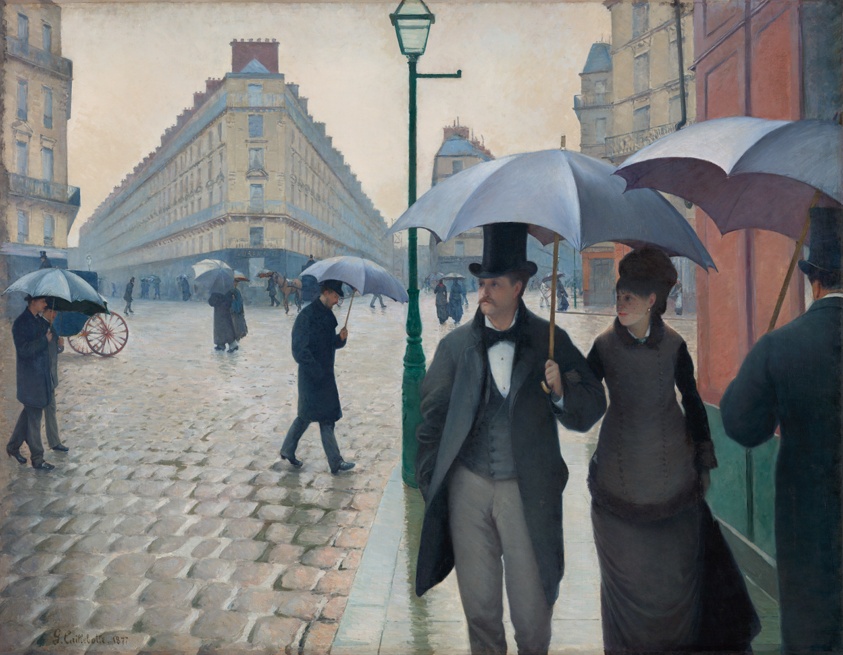
A common piece of advice is to write about what you know. But sometimes you have to write about the things you don’t know about in order to learn. So, this blog post is about how to caption and credit public domain images. Time for me to figure this out along...

by Linden Gross | Jul 9, 2026 | Writing
Good description doesn’t just paint a picture; it invites readers to experience a moment. It’s not about adjectives—it’s about precision, perspective, and personality. The best description reveals as much about the narrator as it does about the scene. Take this gem...

by Linden Gross | Jun 18, 2026 | Writing
Some scenes you read once and forget. Others haunt you—a quiet kitchen conversation, a moment in a hospital hallway, a hand reaching for another and hesitating. Those are the memorable scenes that linger because they do more than move the plot. They move us. So what...