
Powerful endings don’t just tie up loose ends. They’re the final impression, the echo that lingers long after the book closes. Whether you’re writing fiction, memoir, or nonfiction, a strong ending feels both surprising and inevitable. It delivers not just resolution, but meaning.
Writers often overthink endings, searching for a perfect line that will make readers weep, cheer, or quote them forever. But the secret to powerful endings isn’t cleverness; it’s emotional truth. It’s about closing the loop on what you promised at the beginning.
Think of your story as a conversation between question and answer. The opening poses a question—literal or emotional—and the ending delivers a response. Sometimes that response is hopeful, sometimes heartbreaking, sometimes quietly unresolved. But it must feel earned.
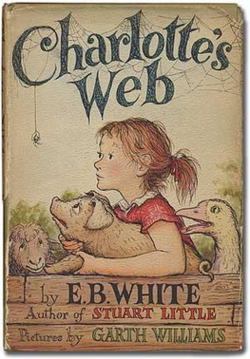
Take Charlotte’s Web. The story begins with fear of loss—of life, of friendship, of significance. By the end, we still lose Charlotte, but her legacy lives through her children and through Wilbur’s gratitude. The ending doesn’t erase the pain; it transforms it into continuity. That’s resonance.
A good ending in a novel and in most memoirs also honors character growth. The protagonist doesn’t have to win or even be happy, but they must change. The final scene should show that change in action—a choice, a word, a moment of stillness that would have been impossible earlier in the story. Readers don’t want everything explained; they want to feel the shift. Show us how the character’s understanding of the world has deepened. Let the transformation speak louder than any moral or summary.
Language matters too. The rhythm of your final sentences should mirror the story’s emotional temperature. A quiet, reflective book might end with a soft image or lingering thought. A suspenseful novel might finish with a snap—a final turn or revelation that closes the loop. Read your last paragraph aloud; if it feels complete, it probably is.
And then there’s restraint. Resist the temptation to overwrap your ending. Leave a trace of mystery—an unanswered question, a sense that life continues beyond the page. The best books don’t shut the door; they leave it slightly ajar, letting the reader’s imagination wander through.
Ultimately, honest and powerful endings don’t tell readers what to feel; they allow them to feel it. They’re not a curtain drop, but a resonance—the vibration that continues after the final words fade.









0 Comments