

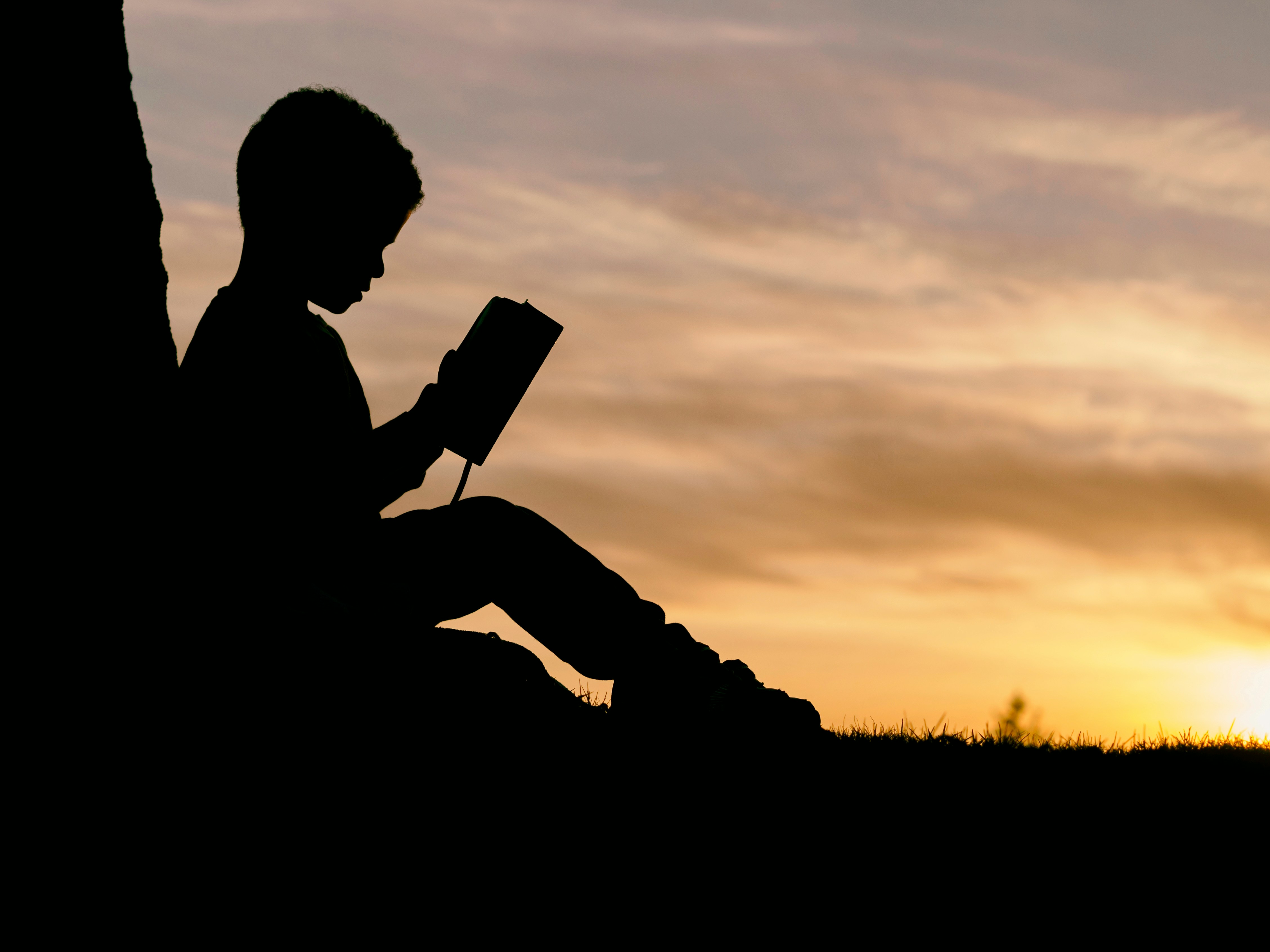
Whenever someone tells me they want to write a children’s book, I usually say, “So do I! But remember, it’s harder than it looks.”
People often think writing for kids is easy because the books are short. In reality, having fewer words to play with means every word has to count, a lesson I learned repeatedly as a national magazine editor and writer.
So what makes a children’s book work?
Tips:
- Keep it simple, but not simple-minded. Kids are sharp. They don’t need big words, but they do need stories that grab them while respecting their intelligence.
- Think in pictures. Even if you’re not the illustrator, your story should leave space for visuals to carry half the load. A picture book is a marriage of words and images. Don’t hog the stage.
- Focus on rhythm and sound. Kids love repetition, rhyme, and patterns. Read your text out loud. If it sings, you’re on the right track.
- Know your audience. A book for preschoolers isn’t the same as one for early readers. Pay attention to age ranges and reading levels.
No-Nos:
- Don’t preach. Kids can smell a moral from a mile away. If your story has a lesson (and many do), let it emerge naturally instead of hopping on a soapbox.
- Don’t write for “all children.” Narrow your focus. A story that tries to please everyone usually pleases no one, a lesson that applies to books for adults as well.
- Don’t overwrite. A picture book text is often 500 words or less. Cut ruthlessly. Every extra sentence is one too many.
- Don’t forget the fun. Even serious themes need moments of wonder, humor, or delight. You’re writing for kids, after all.
On the other hand, adults are your secondary audience. They’re the ones buying and reading the book aloud. If your story can entertain both kids and adults (with heart for the little ones and maybe a wink for the big ones), you’re golden.
Remember that writing for children isn’t about dumbing things down—it’s about distilling them to their purest, most joyful form.
















0 Comments